The Great Intellectual Helmi Sharawy Writes: The Sociology of Culture and Modernization in Africa
Translated by Inga Makary
Reviewed by Mohaned Mohammed
Written by Helmi Sharawy
There is an overwhelming tendency to address the matter of modernization in Africa, which creates a need for readers of the sociology of culture in the continent. As it merges the ideology with the anthropology and connects the cultural interactions with various aspects of the modernization process, unless there is an entrenchment in historical identity patterns that isolates all movement.
Those who have written on the sociology of culture are many and are focusing now on the extent of the transition in the process of cultural modernization, especially in Africa, from the common modernization patterns associated with the process of national liberation or independence to multifaceted patterns of globalization.
This renewable globalization has drawn parts of Africa towards modernization patterns associated with the meaning of high-tech weaponry. The introduction of digital agriculture methods, or the national militarization that tends to deploy its power here and there across the region, etc.
In an interesting book by Abdel Ghani Imad, published by the Centre for Arab Unity Studies, on the sociology of culture and the transformation from modernization to globalization, he addresses notable aspects of the modernization process through different ideological and anthropological approaches, the impact of the symbolic aspect on different cultures, and the influence of Alvin Toffler’s thoughts and his discussions about the triad of knowledge, art, revolution, etc.
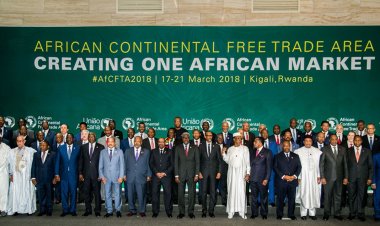
I had the opportunity to participate in the fourth edition of the International Forum for the Interaction of African Cultures, which was attended by more than seventy researchers from Egypt and other African countries (twenty countries). The forum revolved around African cultures in a changing world. I believe that reviewing the titles of these young researchers’ papers, as well as their choices in how they imagine a changing world in Africa while they are constantly preoccupied with modernity and modernization, may lead us to the various prevailing perceptions among the African youth.
Let us read about this matter, and I will present here some notable titles by youth from various countries:
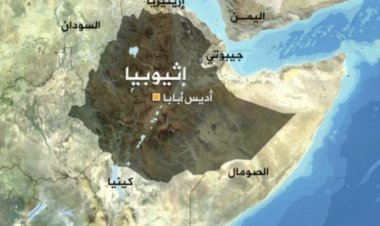
From Ethiopia: The young researcher discussed the formation of the global economy and Africa’s future.
From Uganda: Neoliberal developing policies and the influence of oil power.
From Tanzania: The role of Arab culture in changing Swahili identity.
From Tunisia: The universality of African art and the aesthetic of picture and myth.
From Sudan: Concerning Dhikr and understanding the roots of the religious dance in South Sudan.
From Algeria: The cultural identity and the fear of others; the various identities in Algeria.
From Senegal: The memory of the peoples of Senegambia and the migration from Egypt to West Africa
From Nigeria: Social media and social values.
From Mauritania: Women in the African cultures.
However, from Egypt, there have been various choices, including the digital revolution, African cinema, activating the contributions of the civil society organizations, international disputes that arise from international rivers, intellectual property in the digital revolution era, and the African diaspora in China.
Where, in all this, is the space for the modernization concept in Africa, whereas what prevails is the direct engagement with globalization and its impact on the different choices?
Thus, the African youth tend towards globalization alongside modernization. In fact, they draw the local contexts into attempts to theorize them so that it becomes closer to modernization. This linkage between the local and the global contexts is what makes us question, to what extent do the youth understand the issues of the local and global sociology of culture?
I had the opportunity to experience certain aspects of life in South Africa since I was involved with the liberation movements in Lusaka (Zambia) until they began building their modern post-apartheid state. I witnessed a huge diversity in the paths of modernization, as well as a diversity in the concept of the sociology of culture from Johannesburg, the official capital, to Cape Town, which is dominated by “colored,” to Durban and its “Asian” environment. It was here that I came to see that studies in the sociology of culture could find broad fields of work and could enrich human understanding, despite the societal diversity in this country.
South Africa is a living example for studies in sociology of culture, as it embodies a diversity among the Zulu in the east of South Africa, as well as the Sotho, Xhosa, and Ndebele, etc., across its various regions. Despite this cultural diversity, these various cultures emerged in the figure of Mandela as a leader for everybody, as well as Thabo Mbeki as an advocate of modernization and comprehensive change throughout the country, in accordance with advanced concepts, in practice, that combine both the sociology of culture and modernization. From this perspective, African leadership alone may serve as a tool for boosting a process of local or national modernization, since contemporary youth leadership does not show great enthusiasm for engaging with these issues, as they appear more philosophical than societal or local in nature.
English Language Coordinator: Mariam Essa