On Behalf of the Continent's Youth: Egyptian Representative Delivers African Youth Conference Outcomes to Johannesburg Mayor
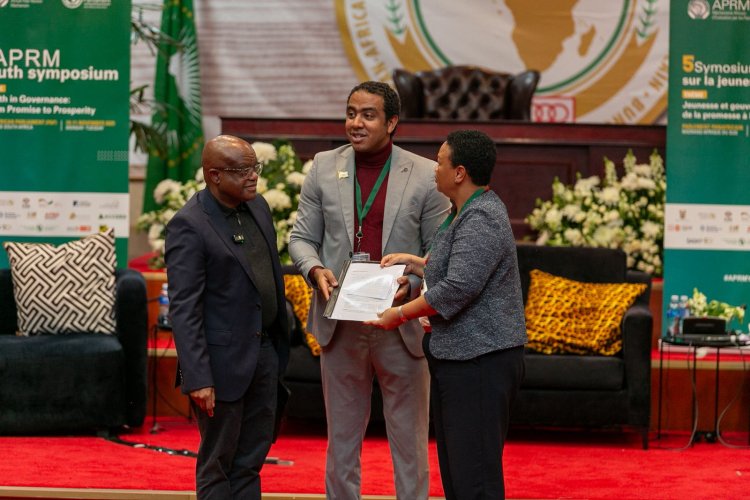
Johannesburg, South Africa – Hassan Ghazaly, an Egyptian member of the African Peer Review Mechanism (APRM) Focal Points Committee and Founder of the Global Solidarity Network, officially handed over the outcomes of the 5th African Youth Conference in South Africa to Mr. Dada Morero, Executive Mayor of the City of Johannesburg, and Ambassador Marie-Antoinette Masolo, Chairperson of the APRM Focal Points Committee. This official handover took place at the closing ceremony of the African Youth Conference, which was convened at the Pan-African Parliament in South Africa under the theme: “Youth in Governance: From Promise to Prosperity.”
Throughout the conference, the sessions witnessed extensive participation from a number of prominent African and international figures, among them: the Honorary President of the Conference, His Excellency Fortune Zephaniah Charumbira, President of the Pan-African Parliament; Laila Dahhi, Chairperson of the Pan-African Parliament Youth Committee; Ahmed Benneye, Secretary-General of the Pan-African Youth Union; Dr. Sunshine Monenehlaka Miennde, CEO of the National Youth Development Agency of South Africa; Dr. Bernice Hlagala, Executive Director of the Office on the Status of Women, Youth, and Persons with Disabilities in the Presidency; Inkosi Mzamo Buthelezi, Minister of Public Service and Administration and APRM Focal Point; Vincent Angelin Meriton, former Vice-President of the Republic of Seychelles; Dr. Nkosazana Dlamini-Zuma, former Chairperson of the African Union Commission; Lennon Monyae, Civil Society Officer and Conference Coordinator at the APRM Secretariat; Nefertiti Moshiya Tshipanda, Permanent Representative of the Organisation Internationale de la Francophonie (OIF); and Mr. Mokgethi Koahoella, Co-Chair of Youth 20 (Y20) in South Africa (G20).
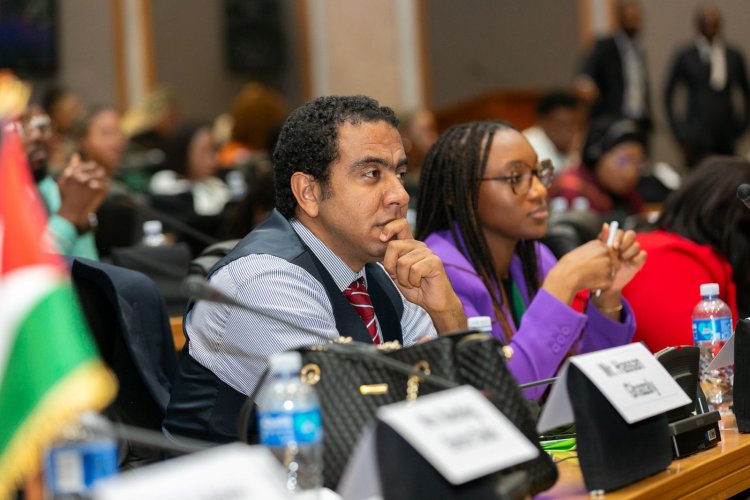
Over the course of two days, the conference addressed an intensive and action-oriented agenda, adopting a participatory and inclusive approach to ensure diverse youth representation. The conference began with opening remarks and high-level discussions, followed by structured activities that included academic and political roundtables, sessions dedicated to presenting success stories, and exhibitions showcasing youth-led innovations. The program also provided space for direct dialogue with political decision-makers and African Union officials, in addition to hosting an exhibition of youth initiatives.
The core focus of the conference centered on working group discussions covering five pillars: Peace and Security in Africa, with an emphasis on the role of youth in peacebuilding and early warning mechanisms; the Generation Z and Participation in Governance pillar, which explored innovations in digital governance and reforms to make governance institutions more youth-centered; the Development and Employment pillar, which addressed inclusive economic policies for entrepreneurship and job creation; sessions Re-evaluating the African Union’s Youth Development Approach, including assessments of the African Youth Charter and the alignment of policies with Agenda 2063; and finally, the pillar on African Youth Empowerment and Restorative Justice, which examined arguments for reparations, youth perspectives on colonial legacy, and strategies for promoting economic justice.
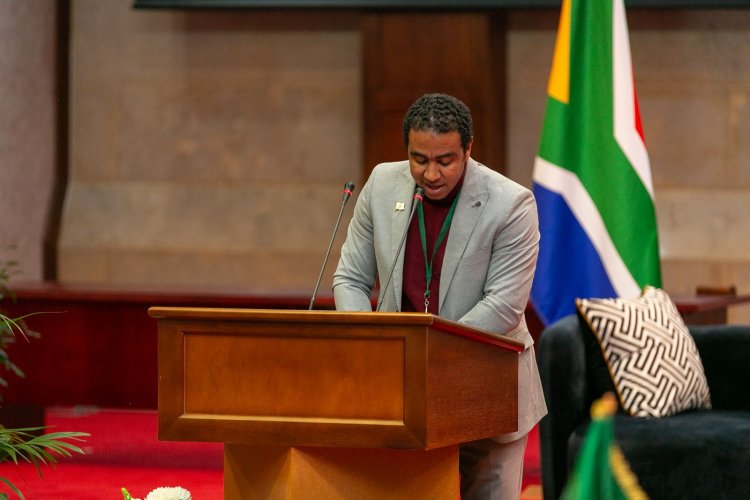
In his concluding address, which presented the final recommendations, Hassan Ghazaly emphasized that African youth seek to move “from promise to prosperity” through governance founded on accountability and transparency. He also stressed the importance of reviewing the African Youth Charter on the occasion of its 20th anniversary.
Ghazaly added that participants unanimously agreed that effective youth participation in governance is inseparable from sustainable peace. He issued an urgent call to African Union leaders to take immediate measures to protect civilians and restore security in Sudan, the eastern Democratic Republic of Congo (DRC), the Sahel region, and other conflict hotspots. He highlighted the need to address the age gap between decision-makers and citizens through electoral reforms that reduce candidacy fees and expand opportunities for youth and independent candidates.
On the economic and social fronts, Ghazaly expressed concern over rising youth unemployment and the disconnect between education and the labour market, noting that this deepens problems related to drug abuse and mental health. He urged governments to adopt inclusive employment policies, strengthen entrepreneurship, support National Youth Development Agencies, and shift from exporting raw materials to local manufacturing driven by science and technology. He also stressed the importance of activating the African Continental Free Trade Area (AfCFTA) and the Pan-African Payment and Settlement System (PAPSS), and adopting gender-responsive budgeting to ensure women's integration into development processes. He affirmed that prosperity is built through collective effort, leadership, and accountable governance.
Ghazaly concluded by reaffirming that the “Transition From Promise to Prosperity” requires courage, solidarity, and innovation, noting that prosperity is not a gift bestowed but a collective achievement rooted in visionary leadership and accountable governance. He emphasized that this is the renewed commitment made by the delegates of the 5th African Peer Review Mechanism Youth Symposium, in pursuit of a more peaceful, prosperous, and united African continent.