THE BIGGEST CHARACTER THAT LED EGYPT JULY 23RD REVOLUTION AND THE IMPACT ON THE INTERNATIONAL COMMUNITY
By: Chichi Tamuno
INTRODUCTION
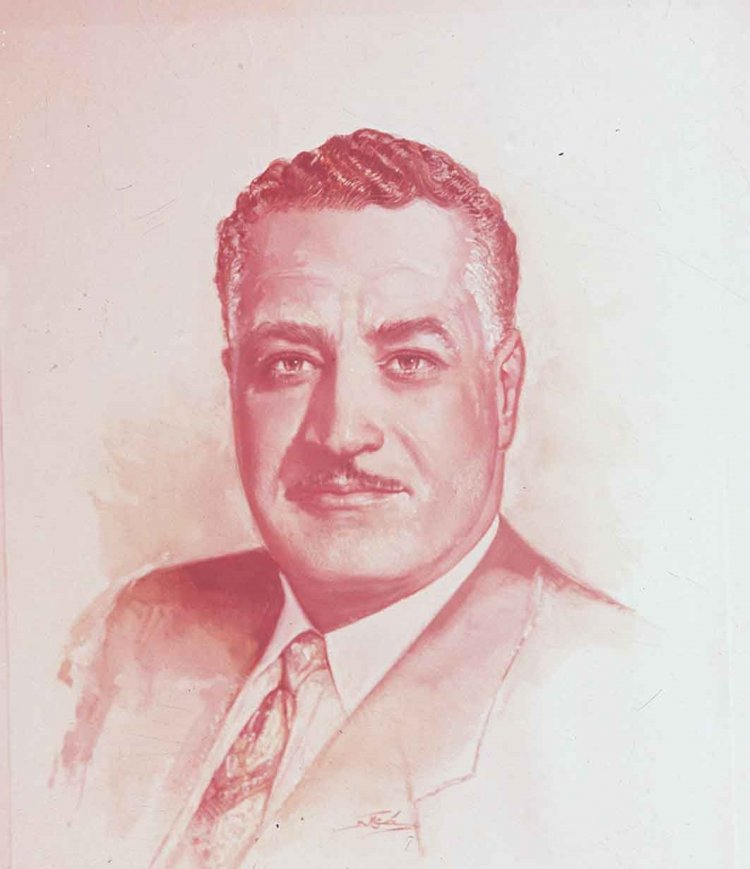
The July 23rd revolution remains a phenomenal day in the history of the Egyptians. To date, the biggest character in this revolution has been celebrated year in, and year out. His name still leaves on following his accomplishment by leading a worldwide movement that resisted the influence of the countries from the first world or otherwise known as superpowers, named the non-Alignments, which refused the coalition with the US’s policy, or that of the Soviet Union’s system influence. Gamal Abdel Nasser resisted imperial control and remains Egypt’s most prominent figure since the time of the pharaohs.
THE COUP D’ETAT REVOLUTION
Egyptian Revolution of 1952 referred to as the 1952 Coup d’état and 23 July Revolution, would remain a historical feat that brought political, economic, and societal change to the country. This started when king Farouk was toppled by a group of the army led by Mohamed Naguib and Gamal Abdel Nasser. The Revolt steered in an upsurge of revolutionary governments in the Arab World and contributed to the increase of decolonization, and the growth of Third World solidarity during the Cold War.
As Nasser took actual control, Egypt’s prospects looked optimistic. A Series of events led to the Nationalization of the Suez Canal by Nasser promising that the tolls Egypt collected in five years would be used to build the dam after he got a shocker when the US and Great Britain canceled a 270 million US dollar offer to rebuild the Aswān High Dam project. This led to the announcement made by Nasser to nationalize the Suez Canal.
Gamal Abdel Nasser arranged for the construction of the Aswan High Dam built with the 57 million cubic yards of earth and rock, which has a mass 16 times that of the Great Pyramid at Giza. Nasser became popular and his popularity grew in Egypt and the Arab world after his announcement of the nationalization of the Suez Canal Company and his political victory in the subsequent Suez Canal crisis known in Egypt today as the Tripartite Aggression. which was one of the most significant things that happened in post-1945 British history.
Nasser became very popular because he was the major figure in Egypt’s National identity giving him an edge as someone who also fought for Egypt’s National Independence. He played a critical role in the revolution of 1952 that conquered the European-backed kingdom. His bold step to further nationalize the Suez Canal strengthened his credibility throughout Egypt a legacy that brought succor to the Egyptians after many oppositions from the top world powers. The Suez Canal to date remains a major revolution in Egypt and a phenomenal accomplishment that changed the transaction of international trade around the world. It remains the most important seaport in the world. In 2015 the Egyptian government opened a major expansion of the Suez Canal by building a 22- mile channel parallel to the main waterway, at a cost of approximately $8.2 billion. The expansion allowed for two-way traffic along most of the route and for larger vessels to transit. This made the waterway more vital as it is one of the few passageways in the world large enough to accommodate the world’s largest container ships and one of the reasons why the Suez Canal is so important. Suez Canal is a 120-mile-long manmade passage located in Egypt and is one of global shipping’s most vital transoceanic maritime corridors and is a passageway between Europe, Asia, and Africa. It connects the Mediterranean to the Indian Ocean via the Port of Said and also major consumer markets with the biggest manufacturing hubs in the world. This port connects three major ports in the world the Atlantic Ocean, the Pacific Ocean, the red ocean, and the Indian ocean. The fact that the canal was man-makes it stands out. The impressive construction remains a world history to date and the international community would not agree less that Egypt made an impressive comeback by breaking the barrier that obstructed the ease of trade for international transactions. Before now, ships coming from Europe to the middle east had to go right down south and travel back up, it takes them 21 days to make this trip. But after the canal was dug, they go from Europe, crossing straight through Egypt to the middle east now taking only 11 hours to complete this trip. it’s interesting to know that a new waterway is been dug again to further ease access to facilitate trade this time, would be reduced from 11 hours to seven hours.
Am glad that Africa and Africans are beginning to see how important it is for us to practice regional integration. We should be inspired to do more. It’s time we strengthen our collaboration with the countries of the world to replicate what has already been achieved to boost our connectivity and ease of transaction of trade. This project is going to take place in Africa where a waterway will be dug right from Egypt right down to countries down south-talking about the African trade Continental Agreement. A typical example is the would-be regional integration already in the pipeline the Cairo- Cape town South Africa High way. It is a road constructed to lead Cairo straight down to the South which is Cape town in Southern Africa. It is also good to note that a channel is been constructed from the Mediterranean Sea to low countries right down to Chad. The integration would boost trade in Africa, especially in our quest to reach the regional trade agreement. Regional integration in Africa is something big and Egypt is a strategic location for Africa’s business politically, socially, and economically.
CONCLUSION
It is apt to say that the international community would never forget the profound contribution made by the great leader Nasser whose impressive revolutionary struggle to lead and liberate the third world from the shackles of dictatorship, suppression, and control by superpowers would never be forgotten in a hurry. The Nationalization of the Suez Canal remains the biggest feat following the ease of transaction for international trade which is a major waterway connection for the world to date. I celebrate this leader and hope that other African president would follow his example to make incredible contributions that would write their names in the annals of history.